
Apr 19th 2024
Fish Disease Spotlight: Parasitic Worms in Ponds
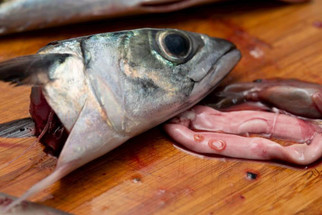
Parasitic worms are a serious concern for pond owners and aquarists. Among the most notorious is the Camallanus worm, a fish worm parasite that grows over 6–12 weeks and becomes visible protruding from the fish's anus. These parasite worms in fish not only impact the health of individual fish but can jeopardize the balance of the entire pond if not addressed swiftly.
What Are Parasitic Worms?
Parasitic worms, also known as helminths, are organisms that live in or on a host—like koi or goldfish—while feeding off their nutrients. There are several types of parasitic worms found in ponds, including:
- Camallanus worms (red, thread-like nematodes)
- Tapeworms
- Anchor worms
- Flukes (gill and skin flukes)
Each of these worms targets different systems in a fish’s body, leading to a variety of health complications. Recognizing the early signs of a fish worm parasite is essential for prompt and effective treatment.
Symptoms of Parasitic Worms
Worms which are pink or red in color will sometimes protrude from the fish’s anus. Multiple worms may appear in this way simultaneously but may move inside when the fish becomes active. Other symptoms include white colored feces and the fish becoming bloated, refusing to consume food and listless behavior overall.
Parasitic worms should never be taken lightly. There are actually some websites that attempt to downplay the seriousness of the condition, posting ineffective and inaccurate treatments that if attempted will only make the situation worse. If these worms aren’t eradicated promptly they could compromise the entire pond, costing thousands of dollars in fish fatalities not to mention the cost of replacing vegetation and other components.
How To Treat Parasitic Worms
Effective parasitic worm treatment should begin with isolating infected fish and performing a thorough pond inspection. Recommended steps include:
Medication:
For the best treatment, use Levamisole (13 ppm dosage) as an effective deworming treatment for Camallanus worms. Follow with repeat doses and water changes every 7–10 days as the medication impacts multiple life cycles.
Sanitize Equipment:
All equipment such as nets, siphons, and buckets must be disinfected to avoid reintroducing worms into a clean pond.
Water Change:
Perform a full water change after each treatment cycle. Remove all deceased fish immediately and continue monitoring survivors closely.
Quarantine Best Practices:
Never transfer potentially infected fish to another tank. Use a dedicated quarantine tank and monitor signs of recurring infection.
In extreme cases, when medication is ineffective and the infestation has progressed, humane euthanasia may be necessary. Though heartbreaking, this step can prevent the spread of infection to healthy fish and preserve long-term pond health.
How To Prevent Parasitic Worms
Unfortunately some of these worms have produced immunity to standard medications such as praziquantel, Trichlorfon, and even Metronidazole. This means that prevention is
the best defense against worm parasites. To protect your pond:
- Maintain pristine water quality: Remove organic waste, uneaten food, and ensure proper filtration.
- Quarantine new fish: Always isolate new additions for at least 2–3 weeks to check for symptoms of fish worm parasites.
- Inspect plants and décor: Even plants or substrate from a local store can carry parasitic worm larvae.
- Avoid overstocking: Crowded conditions lead to stress, weakening fish immunity and allowing parasite worms to thrive.
- Routine parasite checks: Use a microscope or consult a fish health professional for regular screenings.
When to Call a Fish Health Professional
Sometimes, a professional assessment is necessary—especially for recurring or severe infections. If you're unsure about how to identify types of parasitic worms, proper treatment options, or if medication is not working, contact a koi or pond health expert.
At Fitz's Fish Ponds, our team is experienced in diagnosing and treating fish illnesses, including parasitic worm infections, using safe and effective solutions.
Final Thoughts: Parasitic Worms in Ponds
Dealing with parasite worms in fish can be distressing, but with early detection, targeted treatment, and preventative care, you can maintain a healthy aquatic environment. Stay vigilant for symptoms, quarantine new pond additions, and maintain optimal water conditions.
Whether you’re a seasoned koi keeper or new to pond ownership, understanding the risks of worm parasites is key to ensuring the health of your fish community.